Attracting Pollinators
If you wish to attract pollinators to your garden then consider planting flowering plants and trees that have nutrient rich nectar and pollen. Even a small corner filled with nectar rich flowers such as Salvia, Coreopsis, Porter Weed, Texas Sage, Pentas or Firebush will bring in pollinators.
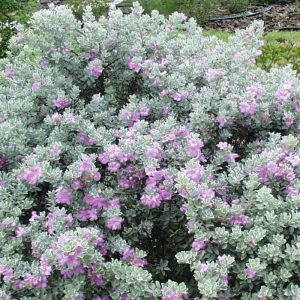
This will bring in butterflies, hummingbirds, and the all-important bees. Attract birds by planting dense shrubs for nesting and may provide berries for food. Provide clean water in shallow birdbaths for birds or fill a shallow bird bath with gravel and water for butterflies. Dump these containers and refill frequently to reduce mosquito larvae though. Bird baths should be placed in areas that have landing space for birds-preferably sheltered by shrubs or walls. Provide a shepherd hook or something equivalent to provide a landing site as well.
Potted Plants
It is time to evaluate your potted plants – indoor and patio. If they are root bound repot in larger containers. Use fresh potting soil and fertilize with a liquid fertilizer or a granular. If you plan on bringing plants inside, spray them with soapy water or Horticultural Oil to get rid of any insects before bringing them inside.
Semi-Tropicals
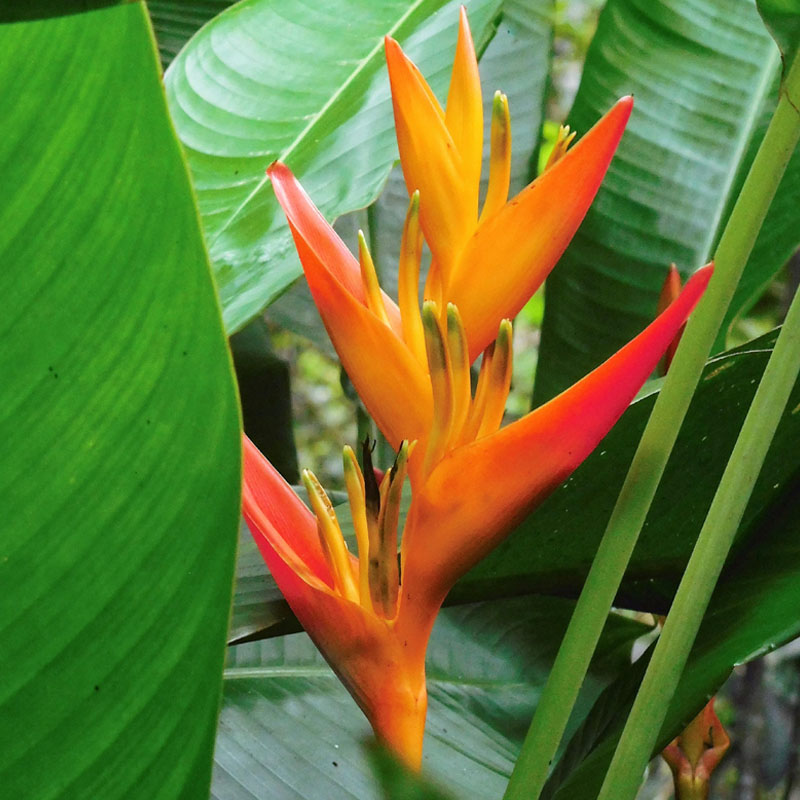
October is the last month to plant tropicals like Allamanda, Ti plants, Crotons, Bougainvillea, and Helichonia. Planted by the end of the month, they have adequate time to establish a good root system to re-emerge from, if they receive freeze damage this coming winter. Fertilize your flowering tropicals with Nurserymen SureGro Bloomer 6-8-10 to keep them flowering through the fall.
Many customers come in complaining about their bougainvillea – will not bloom or losing leaves etc. Bougainvillea requires full sun and drier conditions to thrive. It is generally a low maintenance plant and it is not uncommon, after a particularly lush blooming period, for the plant to lose leaves. This usually happens right before a growth spurt which will again, produce new flowers.
The leaves of your Plumeria may start to fall as we move farther into the fall as well. Bridal Bouquet does not usually defoliate but it is common with other varieties. Fungus from the summer is usually the cause but not to worry- it will not hurt the plant. It will leaf out again in the spring.
Newcomers
Many gardeners new to the Sunshine State often want to grow plants and trees that are familiar to them in the northern climes. Much to their frustration, many of these plants either do not grow here at all or fare poorly. If you are a newcomer to our area from the northern states here are some substitutes for plants, you may have enjoyed there:
Crape Myrtles can substitute for Lilac trees or perhaps a Chaste Tree. Tropical bulbs can replace tulips and daffodils- such as Amaryllis, Agapanthus, or Curcuma Ginger. Hibiscus and Hydrangeas can substitute for Peonies.