Vegetables
The first round of summer vegetables such as tomatoes, peppers and squash that were planted in March and April should all be winding down now. Some people clean up their beds or containers at this point and plant their next planting. Others try to continue to maintain their tomatoes and peppers etc. throughout the summer. Rather than trying to keep these plants producing- it is better to start over in the fall. Tomatoes especially will not flower in the hot days of Florida summers. however, if you research there are some varieties that can handle the heat. Planting anew will result in better yields and quantity.
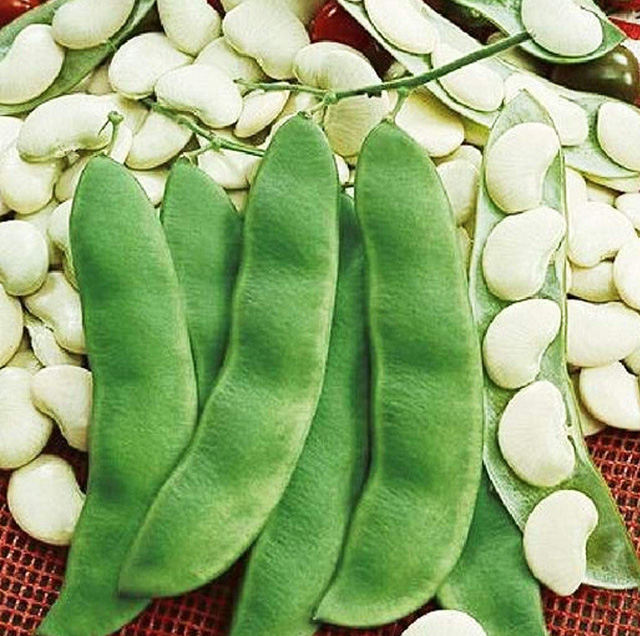
Plan on rotating your garden when you do replant. New crops to plant in July include lima beans, eggplant, okra and southern peas.
Fertilizing:
It is peak growing season right now so if you haven’t already done so- fertilize this month. Slow-release fertilizers are the best and we recommend Nurserymen Sure Gro Palm Special 8-2-12 for all your palms, landscape shrubbery and trees. As mentioned already, your fruit trees should be fertilized right now as well and plan on fertilizing all your flowers, flowering plants, and flowering trees with Nurserymen Sure Gro Bloomer 6-8-10.
Pests:
Whether in your vegetable garden or in your landscape, there is more pressure from pests this time of year so insect and disease control must be maintained. Caterpillars feeding on vegetables or on fruit trees can be controlled with Montery BT or Spinosad. Oleander caterpillars have already appeared. Control with systemic insecticides or spray with Montery BT, Thuricide or Spinosad. Keep an eye on your Desert Rose, Mandeville and Dipladenia as well for these caterpillars love these plants too.
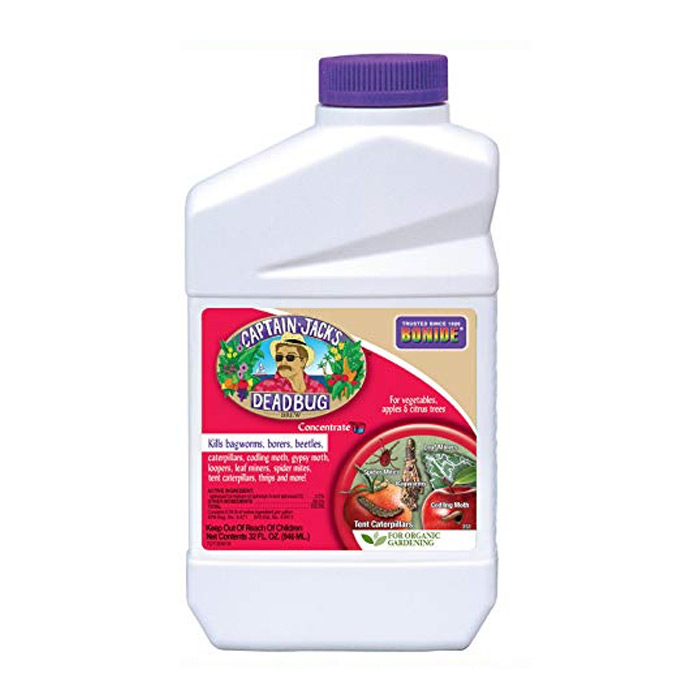
Spider mites become a big problem in the heat of the summer. Be vigilant of all plants- particularly cedars, junipers, and cypress plants. Spray with an insecticide/ miticide.
When there is an overabundance of water, fungal disease can become an issue. Monitor how much water your plantings are getting to prevent overwatering. If fungal disease is present, clean up the fallen leaves, discard and use a broad-spectrum fungicide to control the spread of the disease. Remember when we get lots of rain each week your irrigation should not be on. Overwatering leads to more issues than underwatering.
As always, if you are having problems- stop by the Garden Center with a sample to get some advice!
Fruit & Citrus
All fruit trees are due for a feeding now. If you didn’t fertilize last month, your plants should be fertilized with Nurserymen Sure Gro 8-4-8 Citrus and Tropical Fruit Fertilizer. Also, when there is a flush of new growth, use an insecticidal spray to help keep leaf miners and aphids at bay. Spinosad or Horticultural Oils would be good choices if your remember the before 7 and after 7 spray rule.
Your citrus trees should all have stabilized by now with this year’s fruit crop and your fruit like figs and persimmons should be bearing now as well.
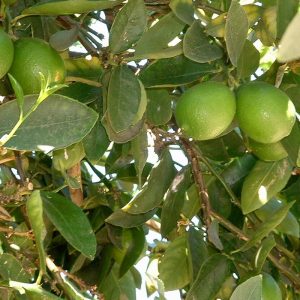
Fruit trees require regular water in the summer. If summer rains are not prevalent in your area, make sure your trees get an inch of water per week. This may prevent “fruit splitting” which is believed to be related to irregular watering practices.
Keep the area under your fruit trees free of debris, leaves or weeds to prevent the spread of disease.