“April showers bring….” We have not had too many of those unfortunately, but what a difference a few weeks make! Oaks have flushed; deciduous tress are sprouting out leaves and spring bloomers are blooming everywhere! Temperatures have heated up but still perfect for getting that garden spruced up, added to or re-designed, and after the winter we had, many of us are doing just that! What’s not to love about Spring?
April Gardening
What a Winter! I know many of you are wondering if your plants/palms will come back. If you have not done so already, start by deciding where there is live tissue in the stems of your plants. Cut them back to that point, and they may flush out from there. If you do not encounter any live tissue (there is green under the bark) then cut them back to about 6″ above the ground as they likely will have to come back from the roots. Some things will pop up close by from the roots, and some will come back from the roots themselves. Some things will reseed as well. Having some patience for those plants that are important to you will go a long way. You may be surprised – but if there is no sign of life by the first or sectond week in April, you may have to give up.
For palm trees, if you have green somewhere on the fronts, you palm will come back – albeit slowly as the new growth will have to replace the old growth. If there is no sign of green at all, check the heart of the palm (right in the middle of the fronds) If it is not soft or squishy, it still may push out new growth. Again, patience is necessary.
If in doubt, stop by with pictures or ask if there is soemone you can send some pictures to for help.
It’s Time to Fertilize!
Fertilize Azaleas after they have bloomed this month with a slow release acid fertilizer. Remember, any trimming or pruning on azaleas should be done by the end of July to ensure flowers for next spring. Fertilize your Crape Myrtles with 6-8-10 slow release bloomer and you’ll be rewarded with more flowers and a longer bloom time. Magnolias, Bottlebrush and Oleanders should also be fertilized for optimum flowering with the 6-8-10 bloomer. Also apply to Bougainvillea, Plumbago, Roses, perennials and any other planted flowering shrubs in the garden.

If you didn’t fertilize your palm trees last month make sure you do so this month. Palms that don’t receive the proper nutrients will yellow, get frizzle on the end tips, will lack fullness and become thin, and be more susceptible to disease and insects. The 8-2-12 Palm fertilizer is the best palm fertilizer on the market, is slow release continually feeding the palm for 3 months and can also be used on your basic landscape shrubs. Palms should be fertilized spring, summer and fall with the exception of the Sabal palm. This Florida Native (and our state tree) requires no fertilization.

Fertilize your shrubs at least twice per year during spring and fall with the palm fertilizer – it works well! Along with the nitrogen, phosphorus and potassium the palm blends have a great micronutrient package in the blend. Florida’s sandy soils has very little nutrient holding capacity so the only way your plants can get the essential nutrients needed for healthy growth is through fertilization or lots of organics amended into the soil. Healthy plants will ALWAYS tolerate extreme weather conditions insects and diseases much better than a weak, nutrient deficient plant! Read the directions carefully and never over fertilize.
What’s Blooming?
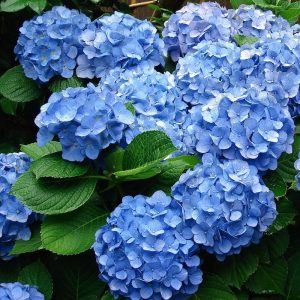
Citrus are blooming, fragrant Confederate Jasmine vine, Nikko Blue Hydrangeas, with their large, mop head flowers of blue or pink depending on the soil’s pH, Coral Honeysuckle vine that will attract lots of hummingbirds. I’m sure a lot of hibiscus, plumbago and other big bloomers may have gotten damaged in the freeze and are probably not blooming yet. Some great blooming choices are also Thyrallis, Tibochina (Princess Flower), Firebush, Firecracker, Dipladenia, and many others!
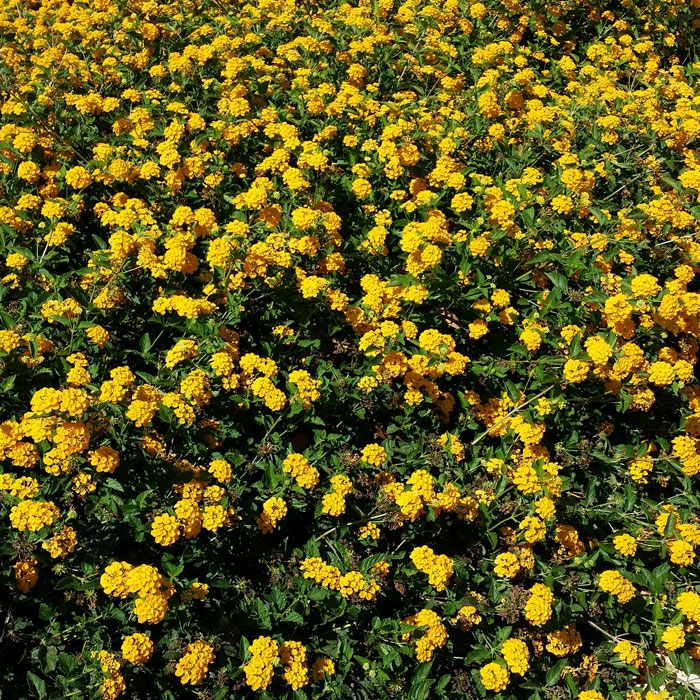
Perennial Flowers are flowing into the garden center now. Perennials last several growing seasons to years in the garden. Most perennials died back in winter however should now be emerging. Some perennials like the bush daisy, will continue blooming right through the coldest of winters. Some like it hot and some like it in the shade so make sure you keep this in mind when selecting your perennials. Flowers require a richer soil than shrubs so make sure you incorporate some good potting soil and amendments like manure or compost prior to planting.
One of the easiest, most durable of the perennials is the Lantana because of its heat tolerance, disease and pest resistance and deer will not eat it! About the only thing Lantana does not like is shade and wet, poorly drained soil. Lantana comes in a variety of colors and growth habits making it easy to select the right type for your application in the garden. Low, spreading varieties, compact varieties that only grow 18-24” and the taller growing varieties. Butterflies LOVE Lantana and will always seek them out in the garden.
Verbena, Impatience, Geraniums, perennial Salvia, Angelonia, Dragonwing Begonia, Osteospermum, Pentas, Helitrophe, Milkweed, Heather, Mona Lavender, Lavendula, Coreopsis, Cigar Plant, Batface, Gaillardia, Dune Sunflower, Blue My Mind, Gazania and more are all great perennials as well.
Potted poinsettias can be plants now outdoors, if desired. They get 3 to 4 feet high and wide so allow space. Do not plant too close to artificial light sources to allow the red bracts to form next fall.
Deadheading!
What is it you ask and why should I do it? Deadheading is the removal of dead flowers or seed pods from plants and flowers. For plants that bloom constantly or repeatedly, removing flowers that have peaked will result in more and quicker new flowers. Deadheading is an easy task that will improve the beauty of your garden by keeping the flowers blooming! For roses always deadhead back to just above a five-leaflet leaf and you will get more blooms quicker. Some flowers like Pentas and Impatiens drop their flowers and don’t need deadheading. Some, like torenia, zinnias, cosmos and portulaca bloom so prolifically, it is often easier to trim them back every several weeks to remove masses of seed pods.