Winter Flowering
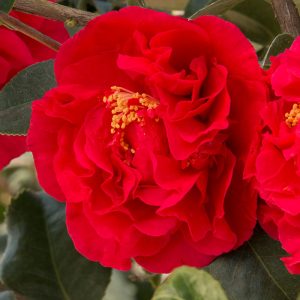
January doesn’t have to be a wasteland for Flowering! January will bring in the gorgeous flowering display that Camellia Japonicas put on. These beautiful plants start blooming in December and continue until March or early April. There are many colors and types to choose from with flowers that are large with many petals. Some Camellia Sasanqua will also still be blooming in January; however, most will be close to being done. Some azaleas may start blooming in January, depending on the temperatures. The family of Formosa azaleas will begin their “spring preview” blooming by the end of January into February. These spectacular plants provide us with our flower “fix” right up to March and April at which time spring bloomers will start. Some azaleas such as Fashion Azaleas, Red Ruffles, Vivid or Prize are probably already blooming as they bloom spring and fall. Hollies will also provide us with color and interest in January with the brilliant red berries they produce. Most hollies will be completely laden in January creating some interesting squabbles among visiting winter birds for the best pickins’!
Winter Annuals
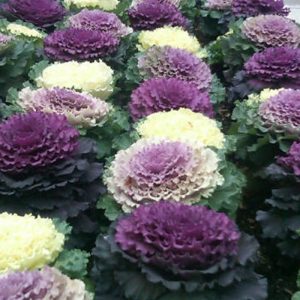
Winter Annuals are a way to add in temporary color and hide some of the tired perennials that are taking a break. Some examples would be petunias, pansies, violas, flowering cabbage, dianthus, snapdragons, and dusty miller can all be planted. Winter vegetables to plant include beet, cabbage, mustard greens, lettuce, carrots, cauliflower, onions and broccoli, to name a few.
Winter Plant Protection
There are differences in freezes. Some plants may be able to tolerate temperatures flirting around 32 whereas others may not. Knowing your plants and what they can tolerate will save a lot of grief. Of course, the majority of plants in your landscape probably are, or should be, completely cold hardy with only a few requiring special care.
When there is a freeze coming or especially a hard freeze where temperatures will be below freezing for 3 or more hours, your tender plants will need care. First, on the day of an expected freeze, water your plants well as wet soil absorbs more heat during the day that will help radiate heat at night. However, running water on plants during a freeze is not advisable unless you know exactly what you are doing. Purchase frost blanket (available at various locations) or use old sheets or towels to cover your plants. Plastic covers are not recommended as they do not breathe. If they are in containers, bring them in a protected area for the night. If you are unable to move container plants due to weight or size, try to cluster a few together and cover them to help with trapping more heat. Putting lights under the blankets will provide extra heat if needed as well.

Remember, when you are covering a plant, try to cover all the way to the ground- especially sensitive palms as just covering the trunk or roots will not help. Covering plants will not prevent frost damage to foliage as they fabric sitting on leaves will cause moisture to aspirate from leaves and cause them to turn brown and black. However, covering is trying to protect the roots so the plants will recover quicker when things warm up. Remember, ghosts all the way to the ground and not lollipops – just covering the tops.
The day after a freeze, remove all covers unless the temperatures are expected to remain low during the day and freeze again the following night. When you remove the covers, water your plants again as freezes will remove moisture from the soil. Keep in mind that frost damage on leaves does not usually appear for a day or two after a freeze. Sometimes, it takes longer than that- in the case of trees that have had moisture trapped in their trunks that froze and then they may split.
As difficult as it may to do, resist the temptation to run out and trim off the frozen sections of plants. This will only expose more of the plant to freeze damage from future freezes. Ideally wait until the threat of frost and freezes have passed and there is visible new growth happening. Sometimes plants can freeze all the way to the roots. When this happens, be patient because until you have consistently warm days and nights, the plant will not start to recover, and this might take to April or more.
Some examples of commonly found plants that will require frost protection are Crotons, Heliconia, Ixora, very young Bird of Paradise, very tropical palms like Foxtail Palms and Adonidia (Christmas Palms). There are many others, which is why knowing your plants is important.
Thankfully, in recent years, we have not had many hard freezes but that does not mean it will not happen! Be prepared and know your plants and which ones will require special care.
Reference: https://sfyl.ifas.ufl.edu/lawn-and-garden/winter-plant-protection/